Skip to main content

“Craft cannabis” is one of those phrases that sounds immediately positive. It suggests small batches. Care. Attention. Something grown deliberately rather than simply produced.
“Mass production”, by comparison, tends to conjure up something more industrial: large rooms, automation, efficiency and volume, but neither term tells you, on its own, whether the resulting cannabis is good. When the end product is a medicine, that distinction matters.
What does “craft cannabis” actually mean?
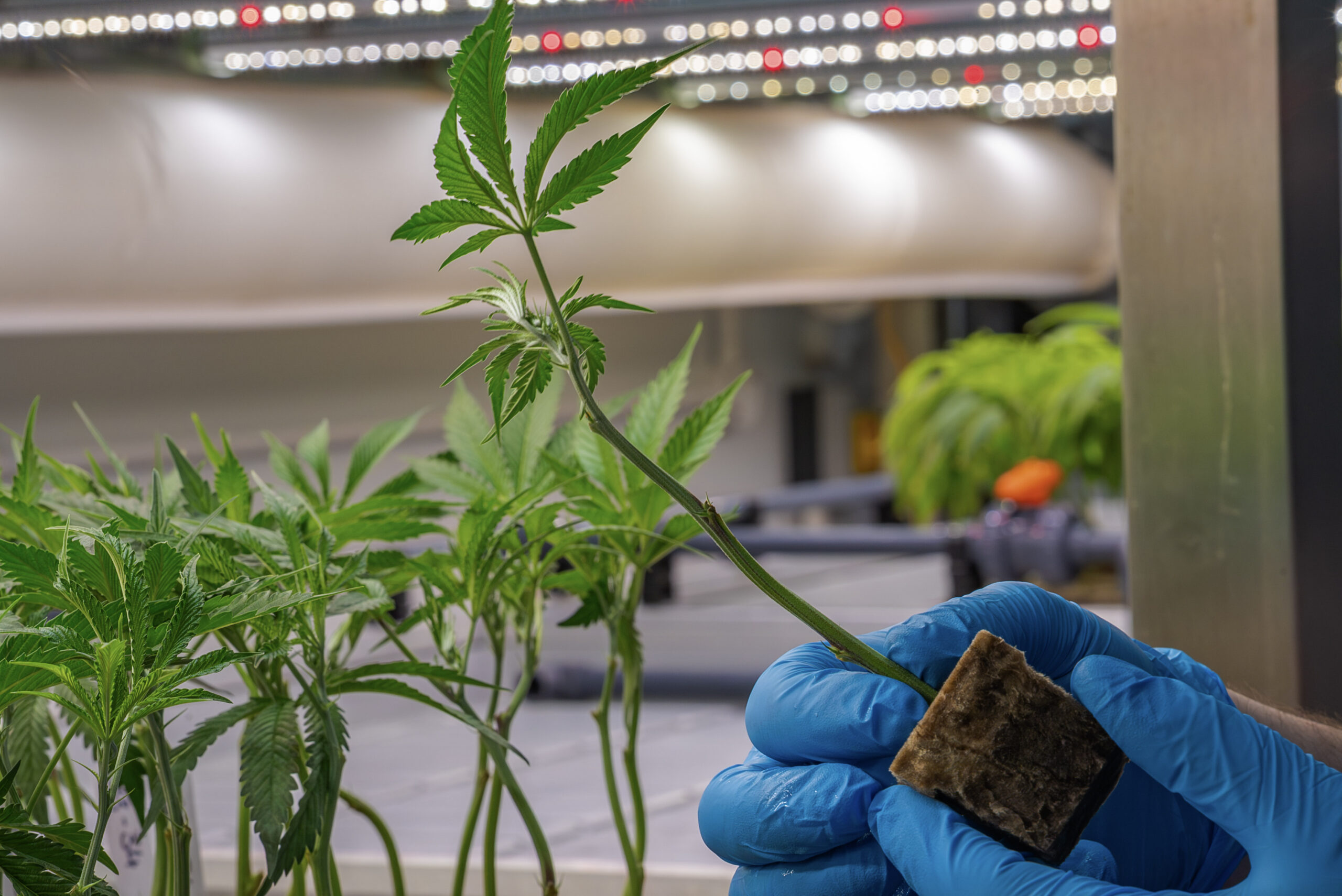
There is no single regulated definition of craft cannabis. Generally, the term is used to describe cultivation on a smaller scale, with greater individual attention given to plants, cultivars and post-harvest handling.
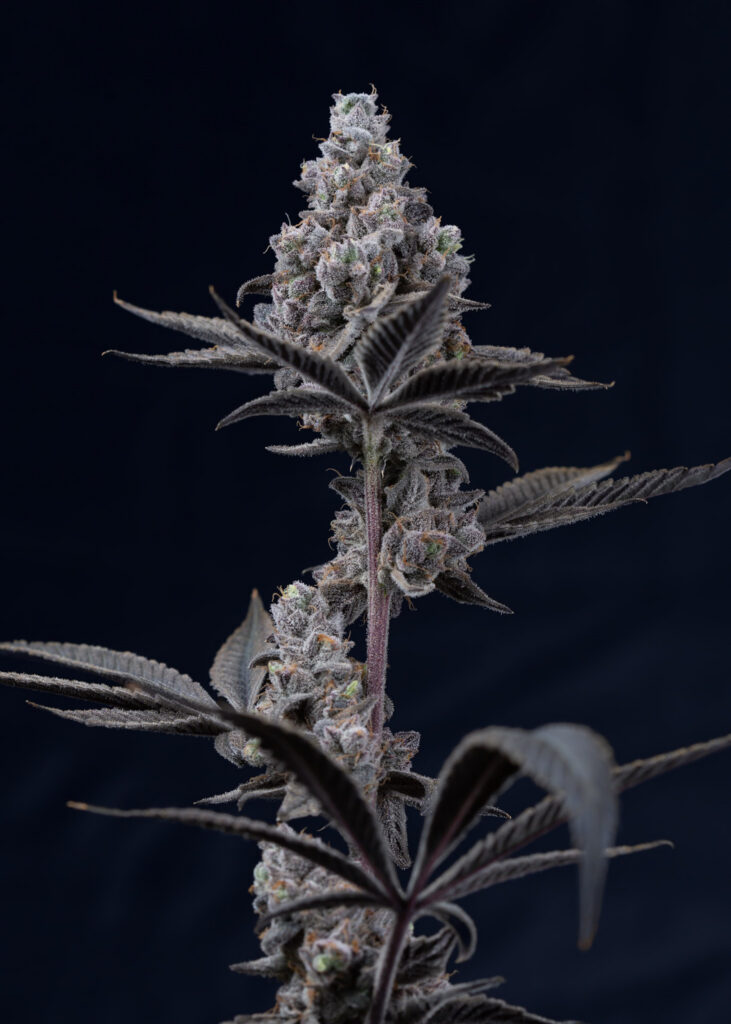
That might include things such as selective de-leafing, cultivar-specific irrigation strategies, hand trimming, careful drying and curing, and making adjustments based on how an individual crop is behaving rather than applying exactly the same recipe to everything.
The attraction is easy to understand. Anyone who has
eaten food from a small producer, drunk wine from a small vineyard or bought something handmade knows that scale can sometimes come at the expense of attention to detail.
Cannabis is no different, but small does not automatically mean good.
Mass production does not automatically mean bad…
Producing cannabis at scale can bring significant advantages. Automation can improve repeatability. Standardisation can reduce human error. Environmental control can become more sophisticated. Data collection can become more meaningful.
A large facility can produce exceptionally consistent cannabis. Equally, a small grow can produce inconsistent cannabis. The distinction is not really about square footage.
It is about how much control exists within the process, and what that process is designed to achieve.
The tension between efficiency and expression
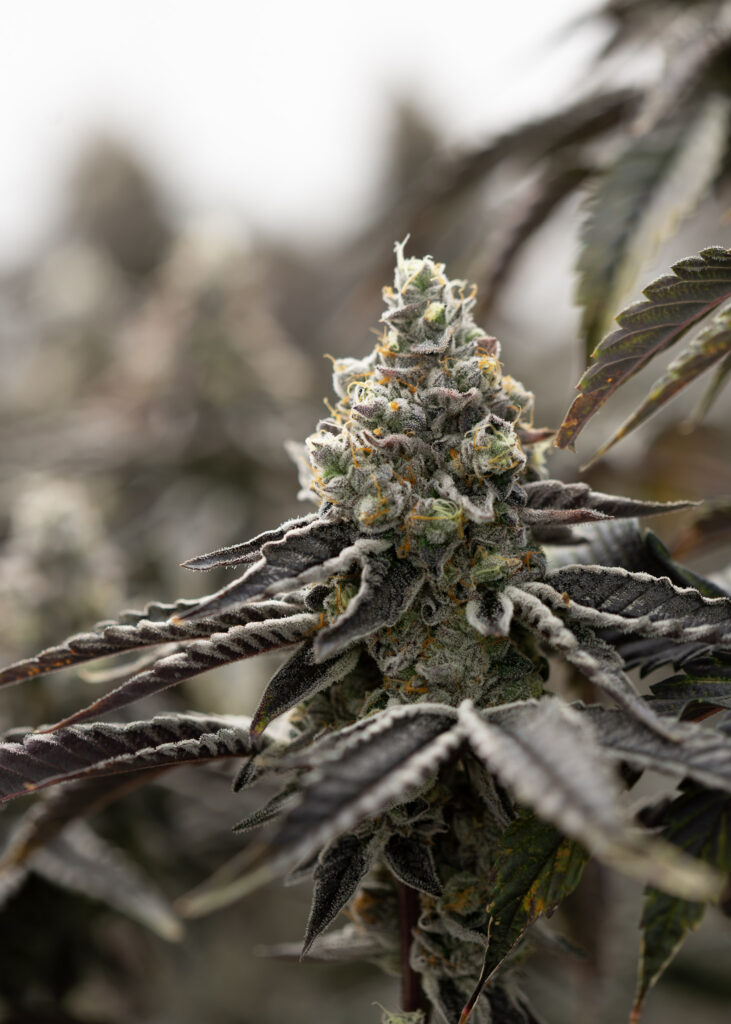
This is where the difference becomes more interesting. Large-scale production naturally has to think about efficiency.
How many plants can be managed by each member of staff? How quickly can a room be turned around? How much can be automated? How much flower can be processed in a given period?
Those are entirely reasonable questions. But there can be a point at which efficiency begins to influence the product itself.
Different cultivars do not necessarily behave in the same way. They can have
different structures, flowering patterns, nutrient requirements, moisture profiles and post-harvest characteristics.
A highly standardised system may therefore be very good at producing the same process repeatedly without necessarily allowing every cultivar to express itself in exactly the same way.
Craft production tends to allow more room for those differences. That is where its value can lie.
Post-harvest is often where the philosophy becomes visible
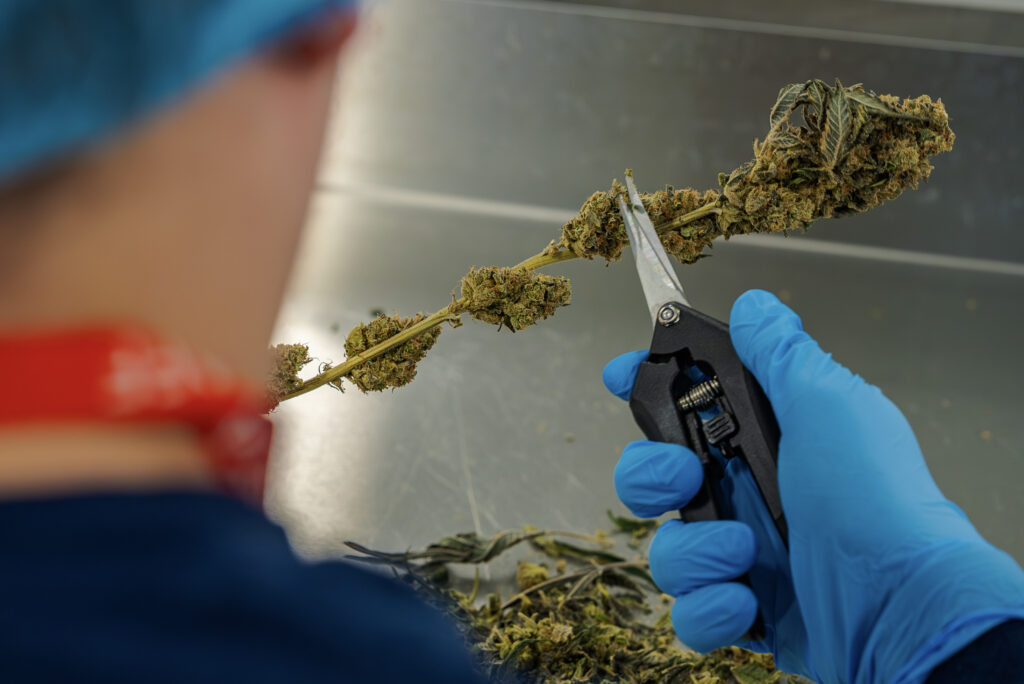
The difference between the two approaches can become particularly apparent after harvest. Mechanical trimming is faster. Hand trimming takes considerably longer. Accelerated drying can move product through a facility more quickly. Slower, controlled drying and curing occupies space, ties up infrastructure and requires patience.
None of those methods should automatically be described as right or wrong. They are choices. Different choices produce different outcomes. For some producers, throughput is the priority. For others, preserving flower structure, volatile compounds and the characteristics of a particular cultivar may justify additional time and labour.
The important thing is understanding which compromises have been made and why.
But medical cannabis adds another layer
This is where comparisons with craft food, wine or coffee begin to break down. Medical cannabis is a medicine. That means care and craftsmanship are not enough.
A grower might produce an extraordinary-looking flower with a complex aroma and beautiful structure, but if the process cannot be controlled, documented and reproduced, that creates a very different problem when the product is intended for patients.
Pharmaceutical production asks different questions.
- Can the process be repeated?
- Can variation be understood?
- Can environmental conditions be demonstrated?
- Can the material be traced?
- Can contaminants be controlled?
- Can one batch be shown to be sufficiently consistent with the next?
That is why, for us, the most interesting territory sits somewhere between the two worlds.
Craft care. Pharmaceutical control.
There should not have to be a choice between giving a plant individual attention and operating within a highly controlled pharmaceutical system. In fact, arguably the ideal is both.
Cultivation can still respond to the needs of different cultivars. Plants can still be de-leafed selectively. Flowers can still be hand trimmed. Drying and curing can still be given time.
Those decisions can also sit within documented processes, environmental monitoring, analytical testing and a pharmaceutical quality system. That combination is much harder to achieve than simply being “craft”.
It requires the flexibility to treat a plant as a biological organism while maintaining the discipline required to manufacture a medicine.
Uniformity matters more than spectacle
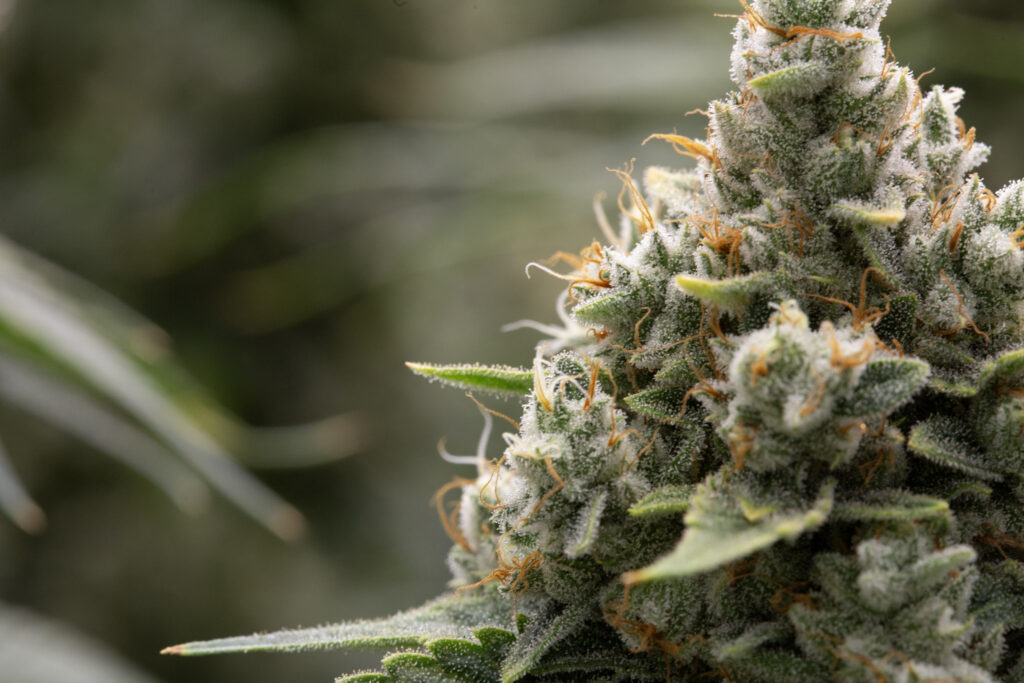
There is another reason this matters in medical cannabis. The biggest flower is not necessarily the objective. The most visually impressive cola might photograph well, but medicine demands something more useful: consistency.
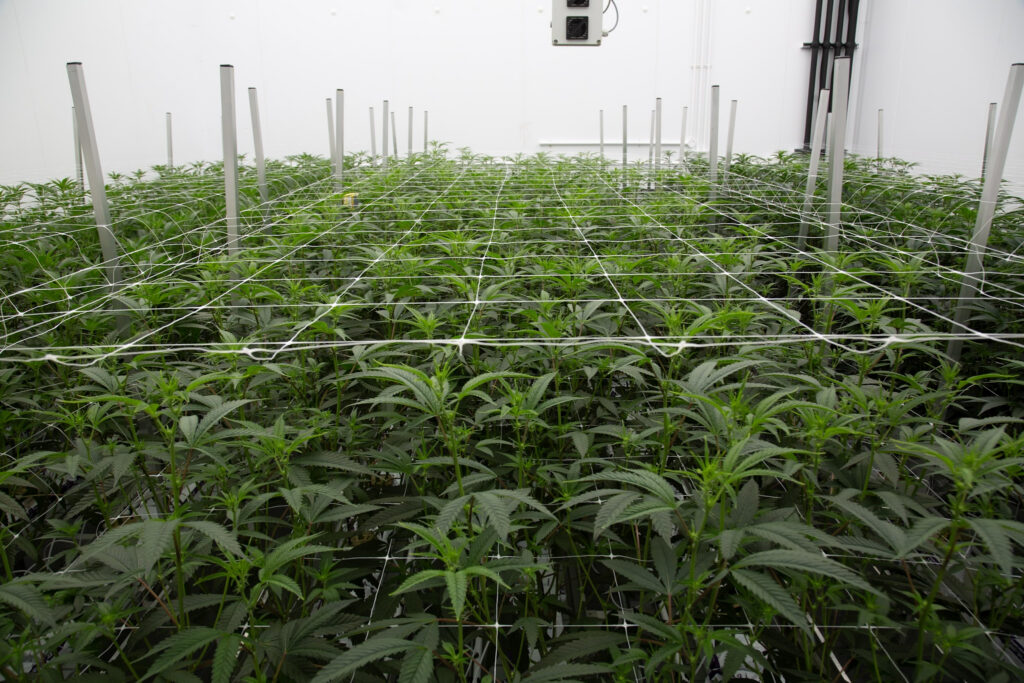
We want light distributed as evenly as possible. We want airflow through the canopy. We want environmental differences minimised. We want flowers throughout the crop to develop as consistently as possible.
That can sometimes mean making decisions that are less dramatic visually but more valuable pharmaceutically. The same applies after harvest. A beautiful individual flower is one thing. Producing that quality repeatedly is another.
So is craft better?
Not necessarily. Neither is mass production. Both descriptions are too simplistic. A better question might be:
What is the producer optimising for?
- Maximum throughput?
- Lowest possible cost?
- Visual appearance?
- Aroma?
- Yield?
- Consistency?
- Pharmaceutical control?
The answer will tell you far more than whether somebody describes themselves as “craft”. For medical cannabis, the goal should not be craft for the sake of craft. Nor should it be scale for the sake of scale. It should be to combine the attention to detail normally associated with craft production with the consistency, control and repeatability expected of a pharmaceutical manufacturer.
Because when you are producing a medicine, care matters. Being able to prove that care happened every time matters even more.