Skip to main content
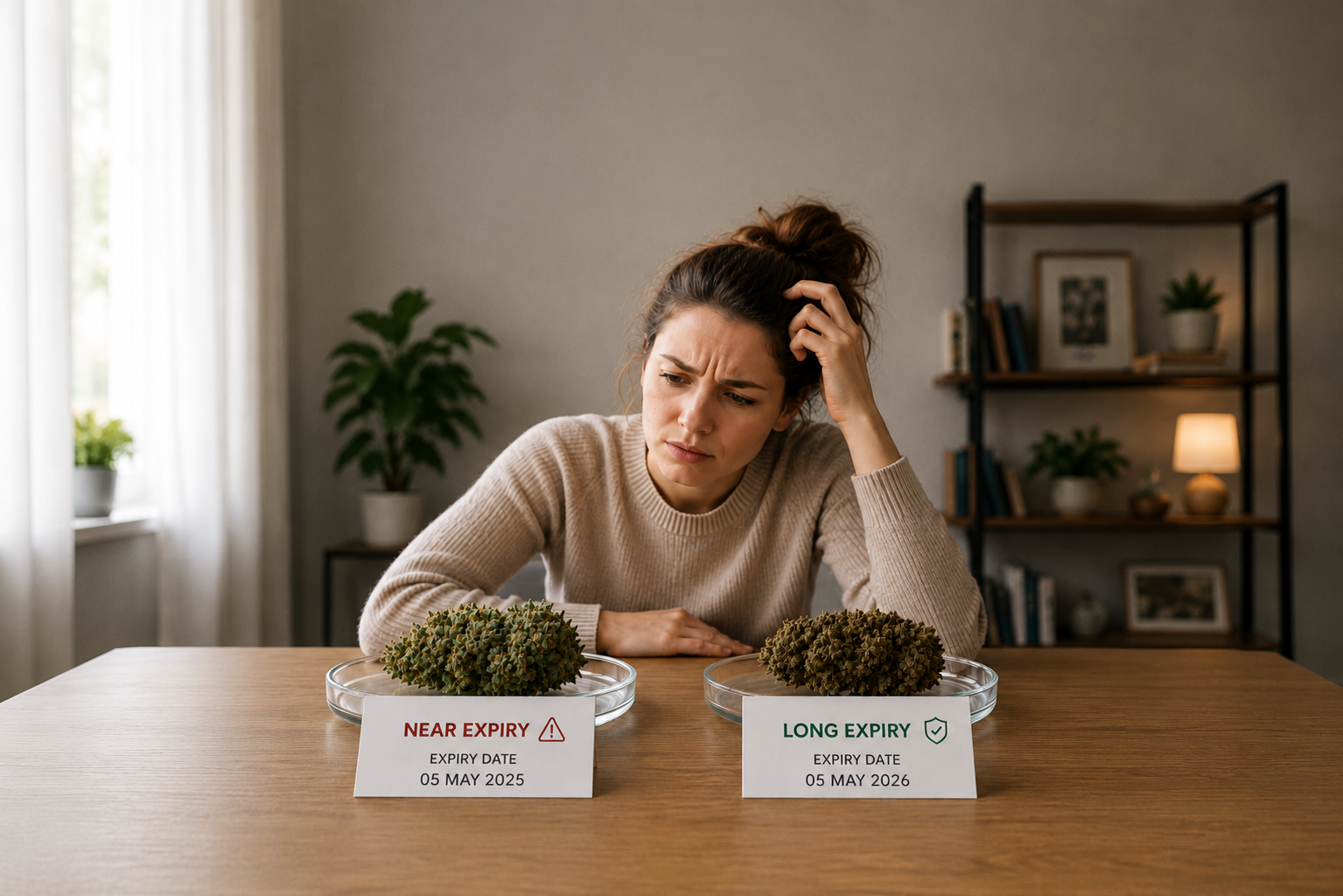
One of the biggest challenges in medical cannabis is that many of the metrics patients and clinicians alike rely on to judge quality can be incomplete, misleading or lacking context.
This doesn’t mean that patients are being intentionally misled, nor does it mean these metrics are meaningless. But it does highlight a wider issue within medical cannabis; conversations around quality are often oversimplified in a market where transparency remains inconsistent.
The reality is that medical cannabis is a globally fragmented industry. Different countries operate under different regulatory frameworks. Different laboratories use different methodologies. Different manufacturers apply different post-harvest processes, packaging standards and stability approaches. And yet many of these differences are largely invisible to the patient standing at the point of prescription.
As a result, patients are often forced to make decisions using simplified shorthand:
- THC percentage.
- Expiry dates.
- “Non-irradiated.”
- Price per gram.
- Imported vs local.
The problem is that these metrics rarely tell the whole story on their own.
In some cases, they can even create false assumptions. As the industry matures, there is an opportunity, and arguably a responsibility, to move beyond simplified talking points and toward more transparent, standardised and clinically meaningful conversations around quality.
Below, we explore some of the metrics and talking points that are commonly misunderstood or oversimplified.
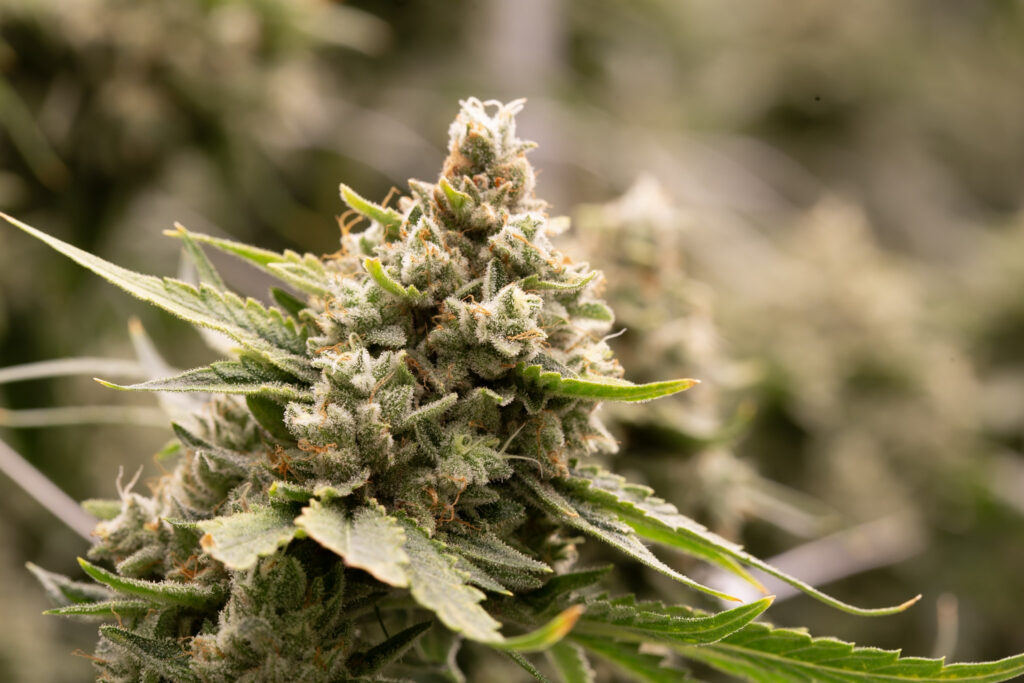
“Near expiry means old flower”
Expiry dates in medical cannabis are more nuanced than many people realise.
Different parts of the product lifecycle can be covered by different stability data. For example, the active pharmaceutical ingredient (API) may have long-term stability data supporting a significantly longer shelf life, while the final packaged product may carry a different expiry based on packaging proces, storage configuration or manufacturer-specific stability studies.
That means two products can have very different expiry dates for reasons that have little to do with harvest date alone.
In practice, a domestically packed product may appear closer to expiry despite the underlying material being newer than an imported alternative packaged under a different stability framework.
The important point is not whether a medicine is local or imported, but whether patients are being given enough context to understand what those dates actually represent.
Should harvest dates be displayed on the Certificate of Analysis for flower products?
“Non-irradiated means better flower”
“Non-irradiated” has become one of the most discussed phrases in medical cannabis, often used as a shorthand for quality or naturalness.
But non-irradiated does not necessarily mean non-remediated.
There are multiple ways microbial compliance can be achieved, and different remediation approaches can affect products differently depending on methodology,
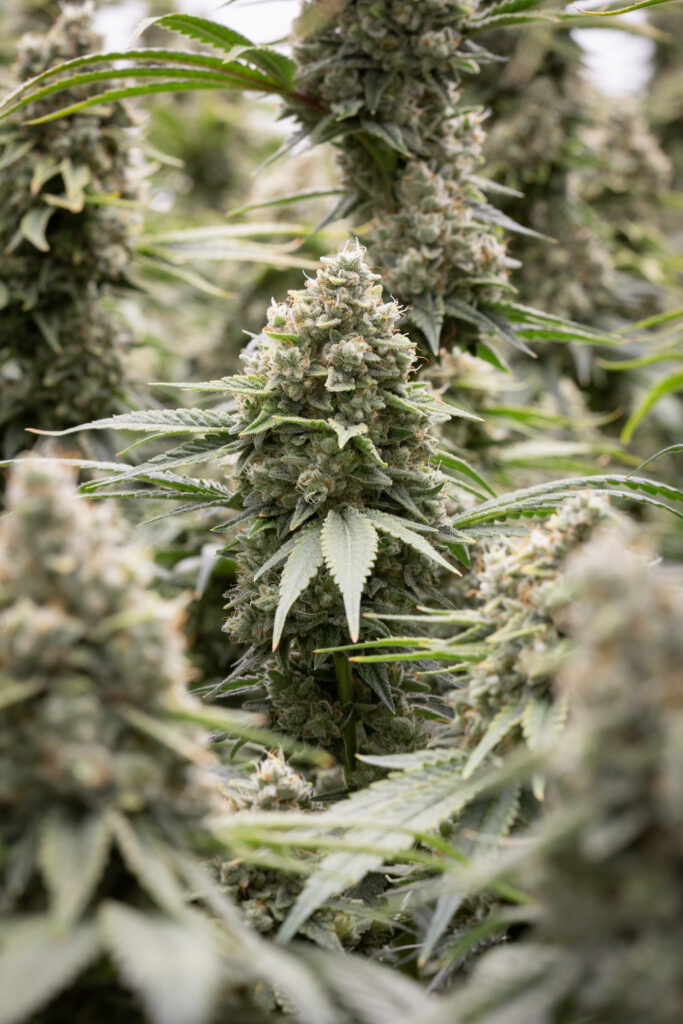
timing and handling. Some are more interventionist than others. Some are barely discussed publicly at all.
The important question is not simply whether a product has been irradiated, but how transparent the industry is willing to be about the full post-harvest process.
Patients deserve clarity around how medicines are produced and processed, not just labels that can sometimes oversimplify more complicated realities.
As it stands, patients are unwittingly consuming remediated cannabis under the belief that it is non-irradiated and with no transparency as to what post harvest processes it has been through.
“Lab results are objective”
Testing is one of the most important parts of medical cannabis, but not all testing frameworks are identical.
Different markets use different methodologies, standards and reporting thresholds. Sampling approaches can vary. Some terpene panels measure broadly, others narrowly. Some jurisdictions are known internationally for “lab shopping,” where producers seek results from laboratories more likely to produce commercially favourable cannabinoid values.
This creates a difficult environment for patients trying to compare products objectively.
A terpene percentage or THC value may appear precise, but without understanding how those figures were generated, comparisons can quickly become misleading.
As the industry evolves, greater standardisation and transparency across testing methodologies will become increasingly important.
Patients should not need a chemistry degree to interpret medicine labels.
“Cheaper is better for patients”
Affordability matters. Deeply.
Medical cannabis should be accessible, and pricing remains one of the biggest barriers patients face globally.
But there is also a difficult conversation the industry will eventually need to have around sustainability and the long-term consequences of a race to the bottom.
Producing pharmaceutical-grade cannabis is expensive and varies by market, where variable costs are at play, like labour and energy. Quality systems, environmental controls, skilled cultivation teams, microbiological compliance, testing, traceability and regulatory oversight all carry real cost.
When the market focuses exclusively on reducing price, pressure inevitably appears elsewhere in the supply chain.
That does not mean expensive products are automatically better. Far from it. But it does mean pricing conversations should include transparency around what patients are actually paying for and what may be lost when quality becomes secondary to volume.
Healthcare industries rarely benefit when medicines become commoditised faster than standards mature.
“The highest number wins”
One of the most interesting things about medical cannabis is how difficult it can be to reduce into a single metric.
Unlike many traditional pharmaceuticals, cannabis is a complex botanical medicine. Patients often respond differently to the same cultivar, and two products with similar cannabinoid content may feel entirely different clinically.
And yet much of the industry conversation still revolves around numerical shorthand:
- THC percentage.
- Terpene percentage.
- Price per gram.
These numbers are useful, but they are not the whole story.
Different product formats can behave very differently despite having dramatically different cannabinoid percentages on paper. A flower product, oral extract or inhaled extract may all deliver very different onset times, durations, absorption rates and bioavailability. In practice, the actual dose reaching the patient, and how predictably it is delivered, may matter far more clinically than headline potency alone.
This is where percentage-based conversations can become misleading. A higher THC number does not automatically mean a stronger, more effective or more appropriate medicine for every patient.
In time, the industry may need more sophisticated ways of discussing efficacy and value, perhaps centred more around dose delivery, formulation, consistency and patient outcomes than simple potency metrics alone.
Because ultimately, the goal is not to create the strongest product.
It is to create the most appropriate medicine for the patient using it.
What should matter next?
As the industry matures, there is an opportunity to move beyond shorthand metrics and toward conversations that are more transparent, clinically meaningful and ethically grounded.
Patients should have greater visibility into how medicines are cultivated, processed, tested and packaged. They should have more context around what expiry dates actually represent, how testing methodologies differ, what post-harvest interventions may have taken place and which metrics genuinely correlate with patient outcomes.
At the same time, the industry should continue challenging itself to prioritise consistency, honesty and long-term trust over whichever marketing term happens to dominate the current cycle.
That may also require uncomfortable conversations around pricing pressure, commoditisation and the incentives created by a race to the bottom. Because while affordability matters enormously, healthcare markets rarely benefit when commercial optimisation outpaces quality maturity and transparency.
None of this is about suggesting there is one “correct” way to produce, prescribe or evaluate medical cannabis. Different products, methods and philosophies will continue to exist across different markets.
But if cannabis medicines are to continue earning their place within modern healthcare, then transparency cannot remain optional, and the metrics we elevate should increasingly reflect what actually matters to patients, not simply what is easiest to market.
Ultimately, the most valuable thing this industry can build is not hype.
It is trust.